Virtual Info Session: Dec. 9, 2025, from 3:00 – 4:00 pm EDT. Please email emmeline_liu@fas.harvard.edu for the slide.
Travel through China’s economic transformation on the global stage, and explore how we learn—and unlearn—what we know to disrupt your old worldview, question inherited truth, and see everything anew.
The Harvard China Fund facilitates and co-funds this program.
Apply on the Harvard Summer School website!
About the Program
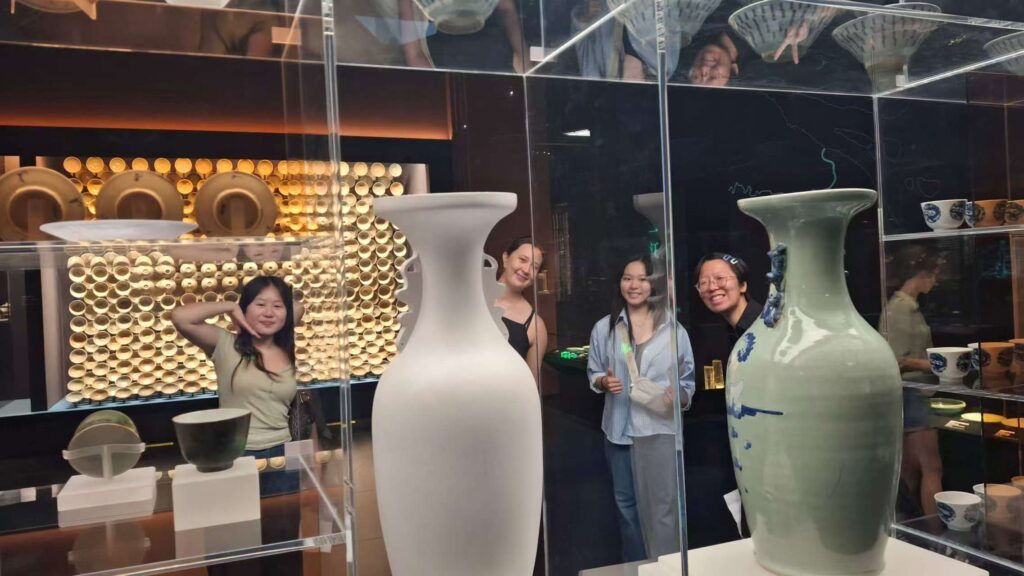
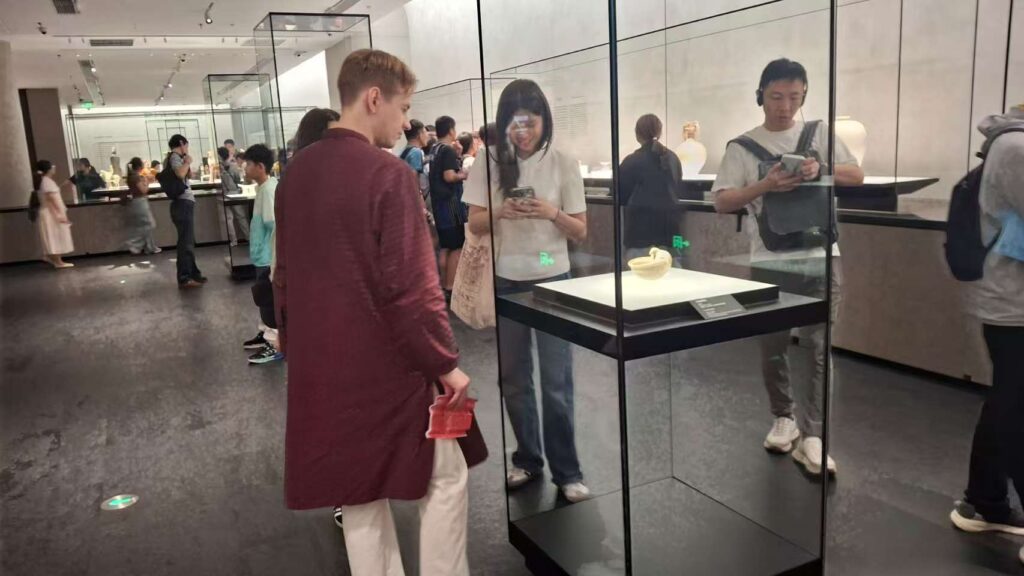
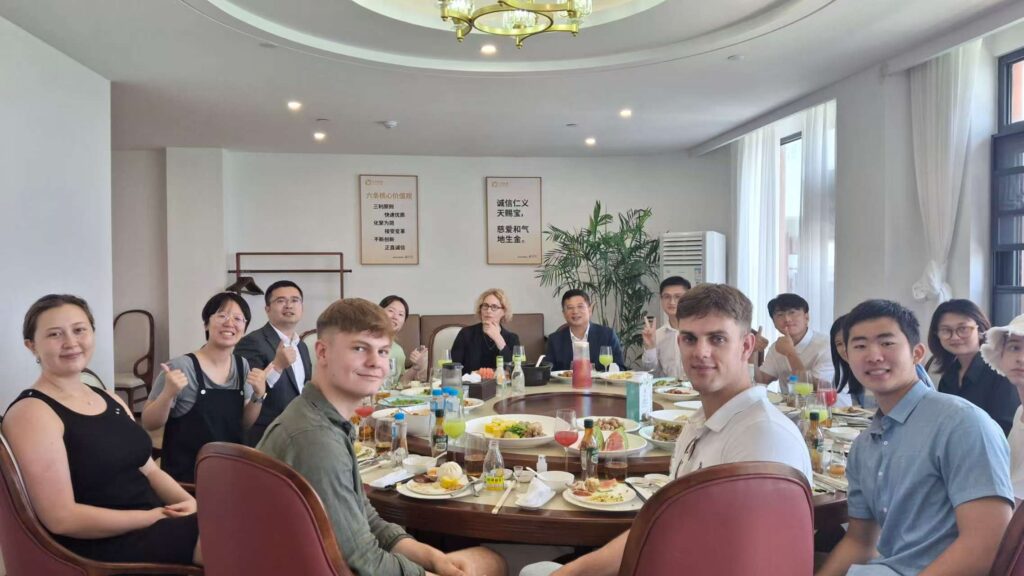
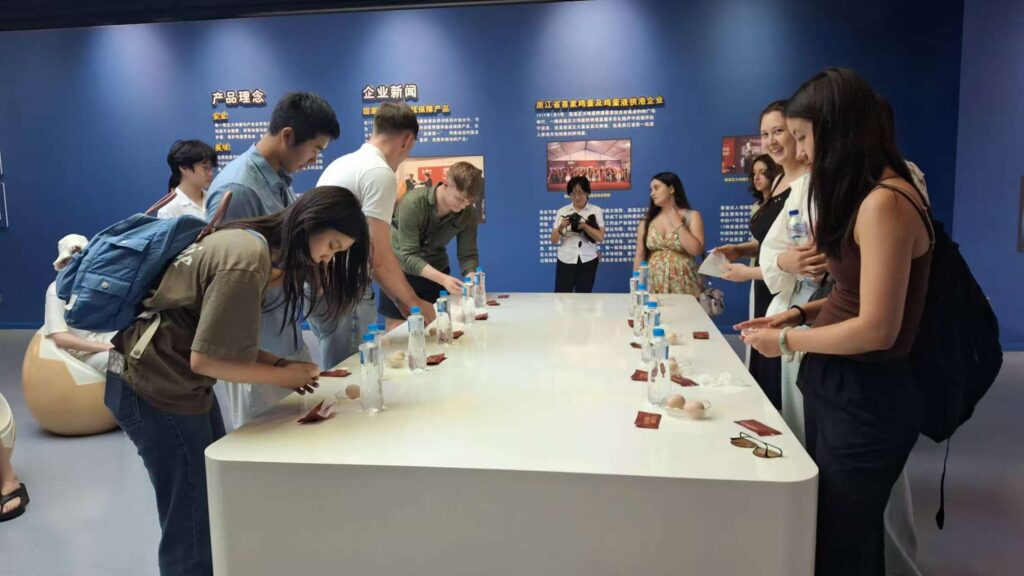
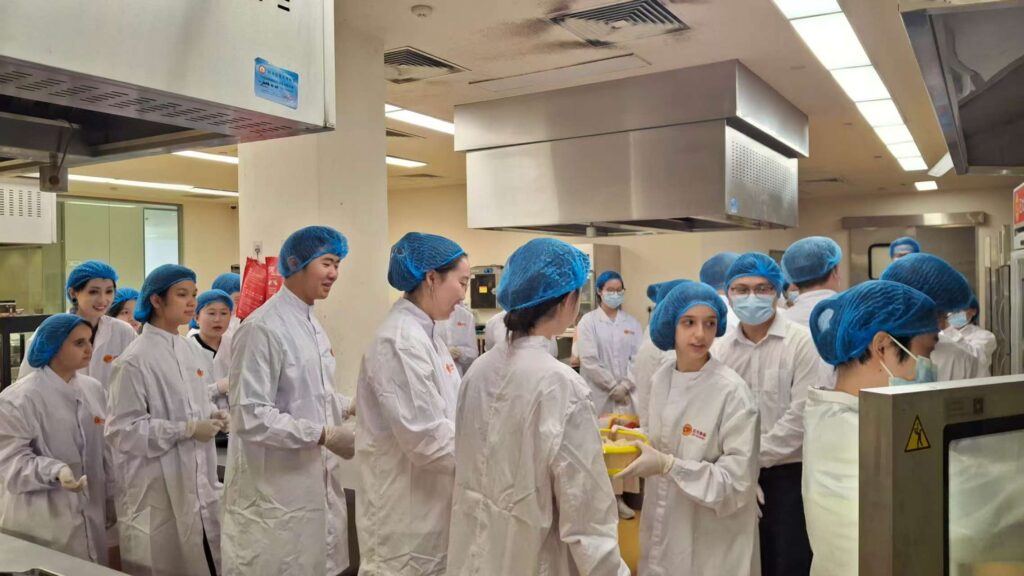
From treaty port to revolutionary hotbed to global metropolis, the city of Shanghai has connected diverse peoples, cultures, cuisines, and economies from various parts of China and around the world. Interweaving cultural studies with history and education, this program will help you understand China in regional and international contexts through engagement with a variety of historical, social scientific, and literary texts. In addition to classes, you will take field trips to historical landmarks, neighborhoods, museums, and factories, occasionally venturing beyond the city to neighboring provinces. You will also learn to make your own, new discoveries using original research, so that you can use your experiences in Shanghai to produce your own creative project or academic paper.
Program dates: June 1 to July 24, 2026 (You still have one whole month before school starts!)
Apply by: January 29, 2026
Housing: Hotel
Program Structure
The program counts as two semester-long courses (4 credits each) of degree credit. You will earn 4 History credits and 4 GENED/Education credits.
China in the World Economy, 1800 to the Present

Arunabh Ghosh, Professor of History, Harvard University
4 credits
UN Limited enrollment.
China represents the most consequential economic story of our lifetime. This course will help you gain a deeper understanding of that story by offering a close examination of China’s place in the global economy from 1800 to the present. Our conversations will be informed by major debates in the field of world economic history and within the field of modern Chinese history. We will divide our time into four week-long modules, covering the late imperial economy, the period of republican government, experiments in socialism, before ending with a look at developments in the reform era. Each meeting will combine a lecture, a discussion, and group activities. We will survey secondary scholarship, investigate primary texts and objects together, and explore Shanghai and its environs. In addition to classes, we will take field trips to historical landmarks, neighborhoods, museums, and factories, occasionally venturing beyond the city to neighboring provinces. The goal is to provide you with the foundation and tools to make your own discoveries. No prior coursework or exposure to China is necessary.
GENED 1199: Learning and Unlearning
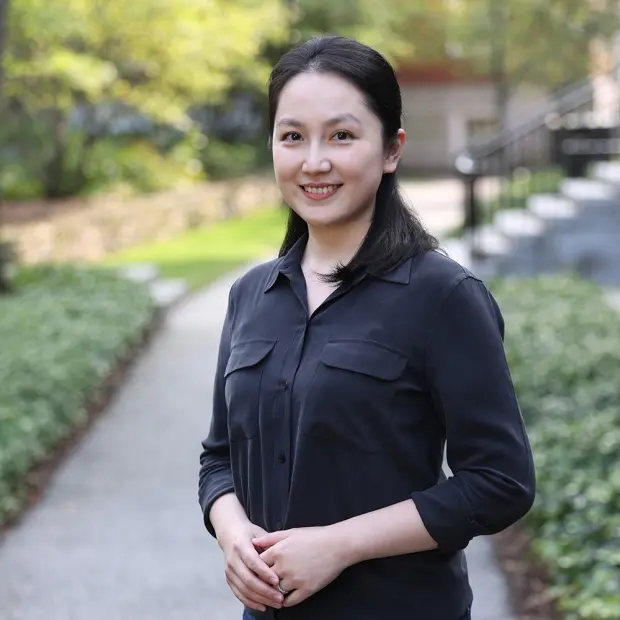
Liao Cheng, Lecturer on Education, Harvard University
4 credits
UN Limited enrollment.
Learning and Unlearning invites you to look closely at how you grow and how your ideas take shape. The course explores why certain beliefs stick, why change feels difficult, and how letting go of outdated assumptions can open space for new insight. You’ll examine motivation, curiosity, and the emotions that guide your learning, and you’ll compare how different cultures approach knowledge and change. Drawing on psychology, neuroscience, education, and philosophy, we study real cases from East Asia and the West to see how people think, adapt, and sometimes resist transformation. We also consider how AI, media, and modern life reshape what we choose to learn. By the end, you’ll understand yourself more clearly and learn to think with greater intention and freedom.

Where You’ll Live and Study
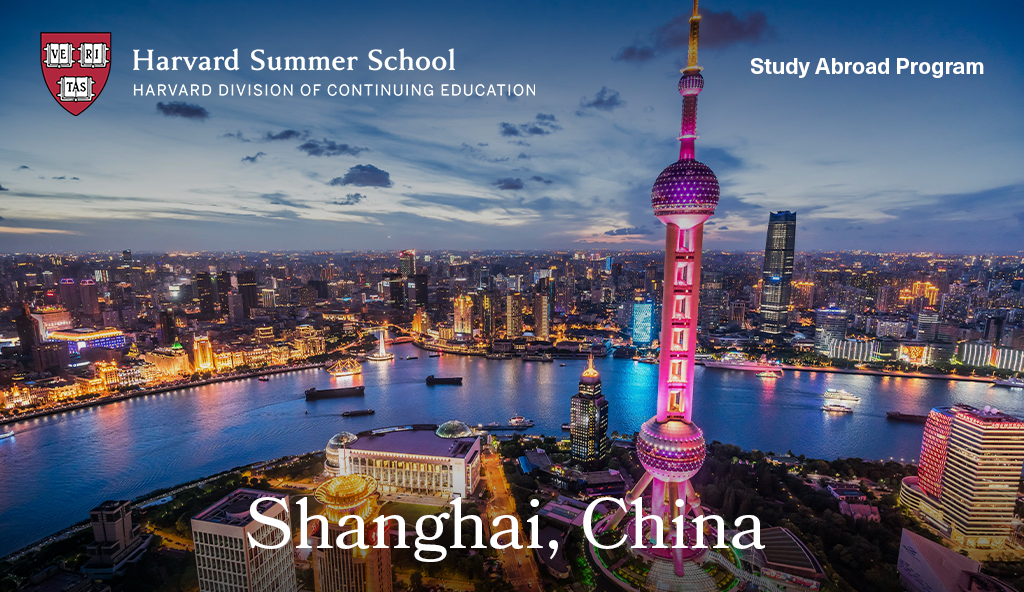
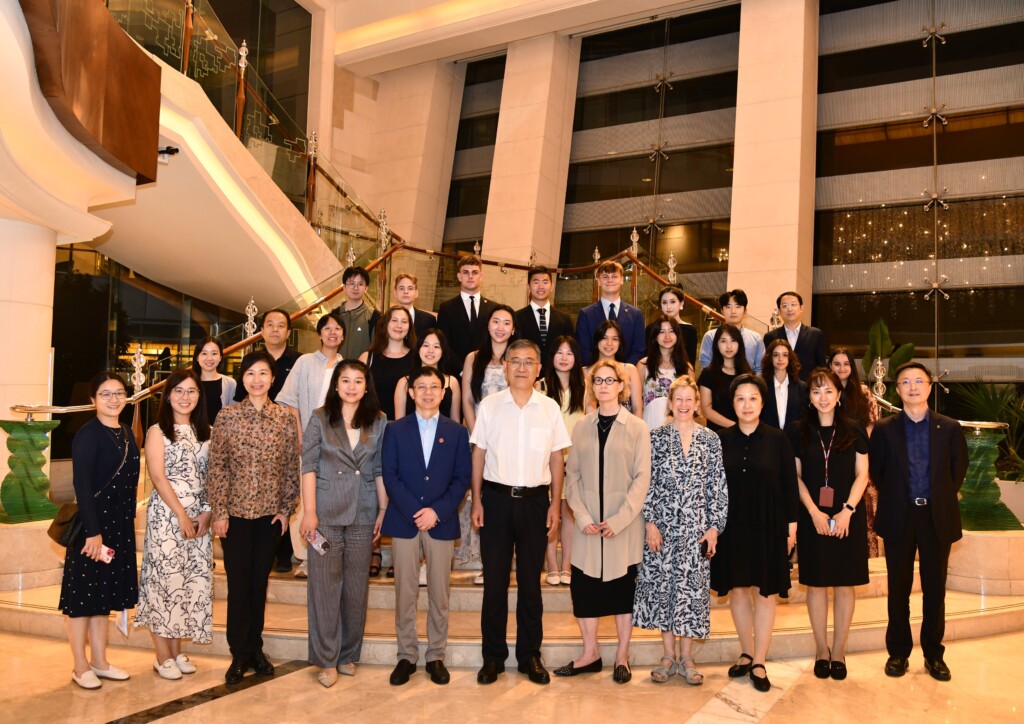
The city of Shanghai evolved from a treaty port to a revolutionary hotbed to a global metropolis from the 19th century to the 21st century. Famed for its “East-meets-West” cosmopolitanism, Shanghai has brought together diverse peoples, cultures, and economies from various parts of China and around the world. It thus becomes a perfect locale for the study of intercultural exchange, economic development, and globalizing processes more broadly.
Accommodations
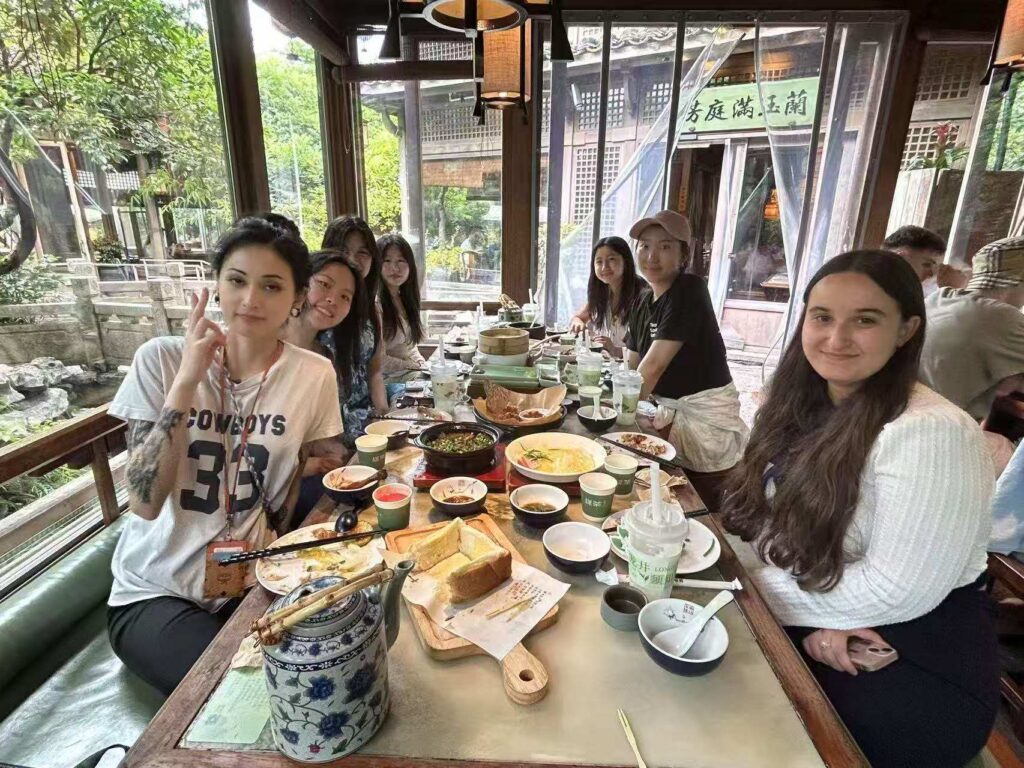
You will live in an on-campus hotel. Hotel amenities include wi-fi, 24/7 concierge, refrigerator, daily housekeeping, laundry, safe for storage of valuables, cafeteria and gym. You will have opportunities to meet students from different parts of China and with diverse interests. Apart from all the practical conveniences of a student district, the campus also offers library access and will be an ideal base for your creative and research projects.
Application
To apply, you must:
- Be at least 18 years old
- Have completed at least one year of college or be a first-year student
- Be in good academic standing
Students enrolled at any accredited university are welcome to apply. See the How to Apply page for more information.
The Summer 2026 application will be available in mid December.
Each program has unique requirements included in the online application. Beginning your application early is the best way to ensure that you have sufficient time to review and complete the application requirements by the deadline.
You may apply to no more than two programs; if applying to two programs, you will be asked to rank your two applications in order of preference (first and second choice). Any applications submitted in excess of the maximum of two will be automatically withdrawn. You will be notified of your admissions status in each program in early March.
A complete online application includes:
- Basic personal information
- A statement of interest
- Your most recent transcript
- Program-specific requirements (if applicable; may include letters of recommendation, etc.)
Interviews may be requested at the discretion of the program.
Be sure to read about the funding options available for Harvard Summer School Study Abroad programs.
If you have questions about the application, please contact the Harvard Summer School Study Abroad Office by email at summerabroad@summer.harvard.edu.
Cost & Expenses
The program fee includes:
- Tuition
- Accommodations
- Scheduled program activities
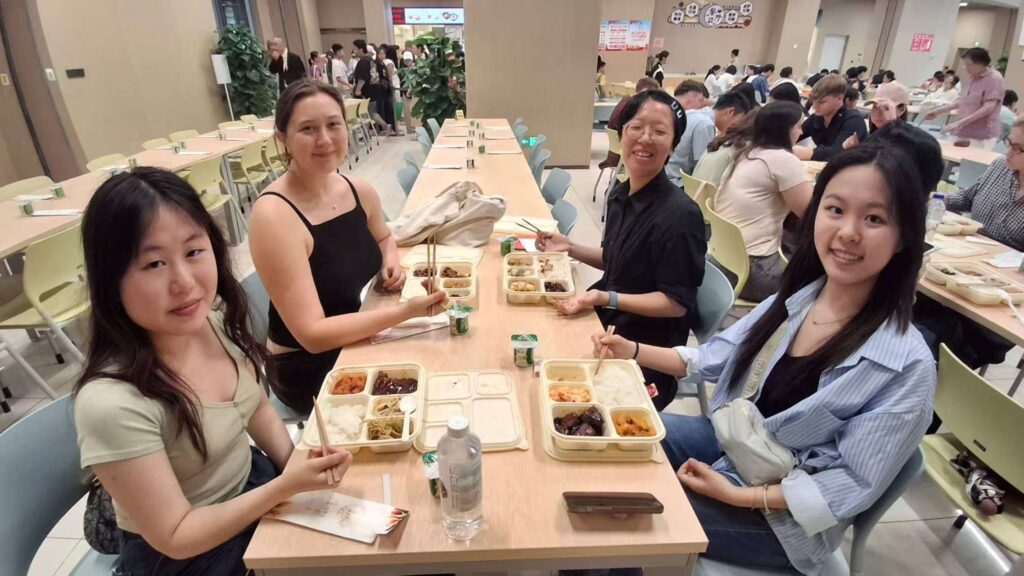
- Some meals (the program will provide further details)
- Harvard Summer School health insurance plan
You will also need to budget for a number of expenses not covered by the program fee. The amounts listed below for these out-of-pocket expenses are approximate, and you may incur additional expenses not noted here. Your actual expenses will depend on a number of factors, including personal spending habits and currency exchange rates. Note that expense categories–especially airfare–may be subject to significant fluctuations.
- International airfare ($2,000 – $2,200)
- Ground transportation ($250)
- Meals ($600)
- Personal expenditures, communications, course materials, visa fee, and miscellaneous ($500)
If you have specific questions about personal budgeting, please contact the program directly.
See Funding and Payment for information on how to submit payments and funding options.
Additional Information
- Questions? Contact Emmeline Liu at emmeline_liu@fas.harvard.edu.
- Need an accommodation? See Students in Need of Accommodations to request one through the Accessibility Services Office.
- Accepted to the program? See Admitted Students for information about pre-departure requirements.